Piercing the Mist: Tales from a Half Moon Bay Township
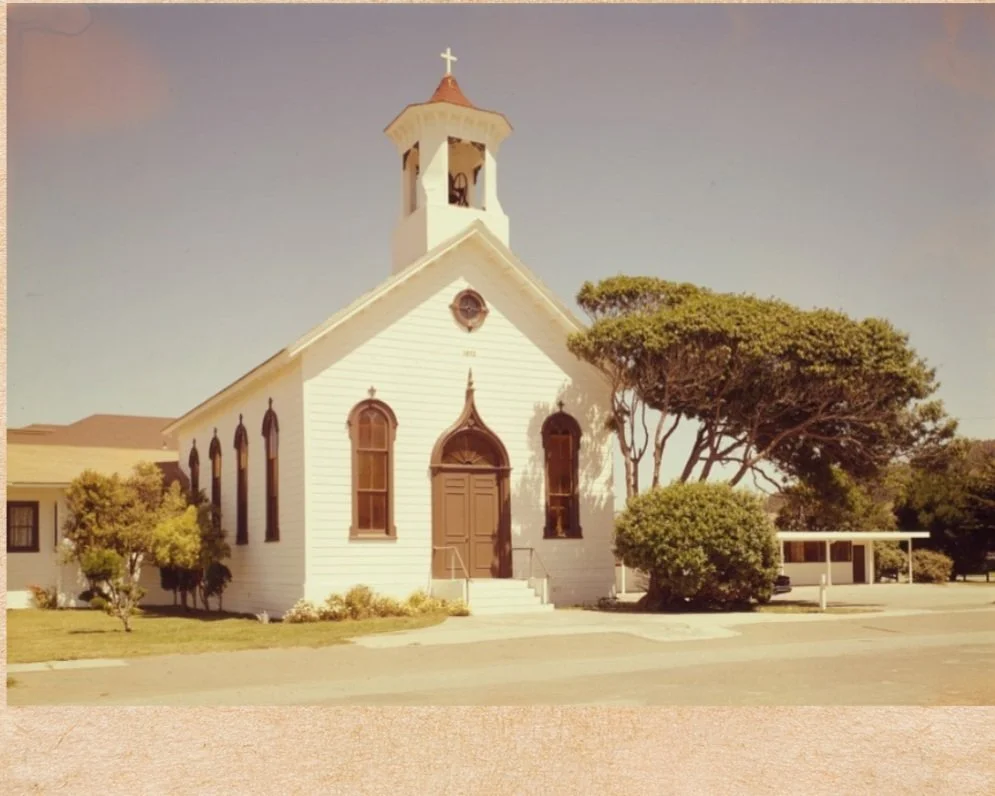
Coasts and highways, rolling green hills and soaring gulls, these are the images that usually drift to mind at the mention of Half Moon Bay. Yet step just a whisper away from Highway 1, and another Half Moon Bay begins to emerge: a township shaped by more than two centuries of history.
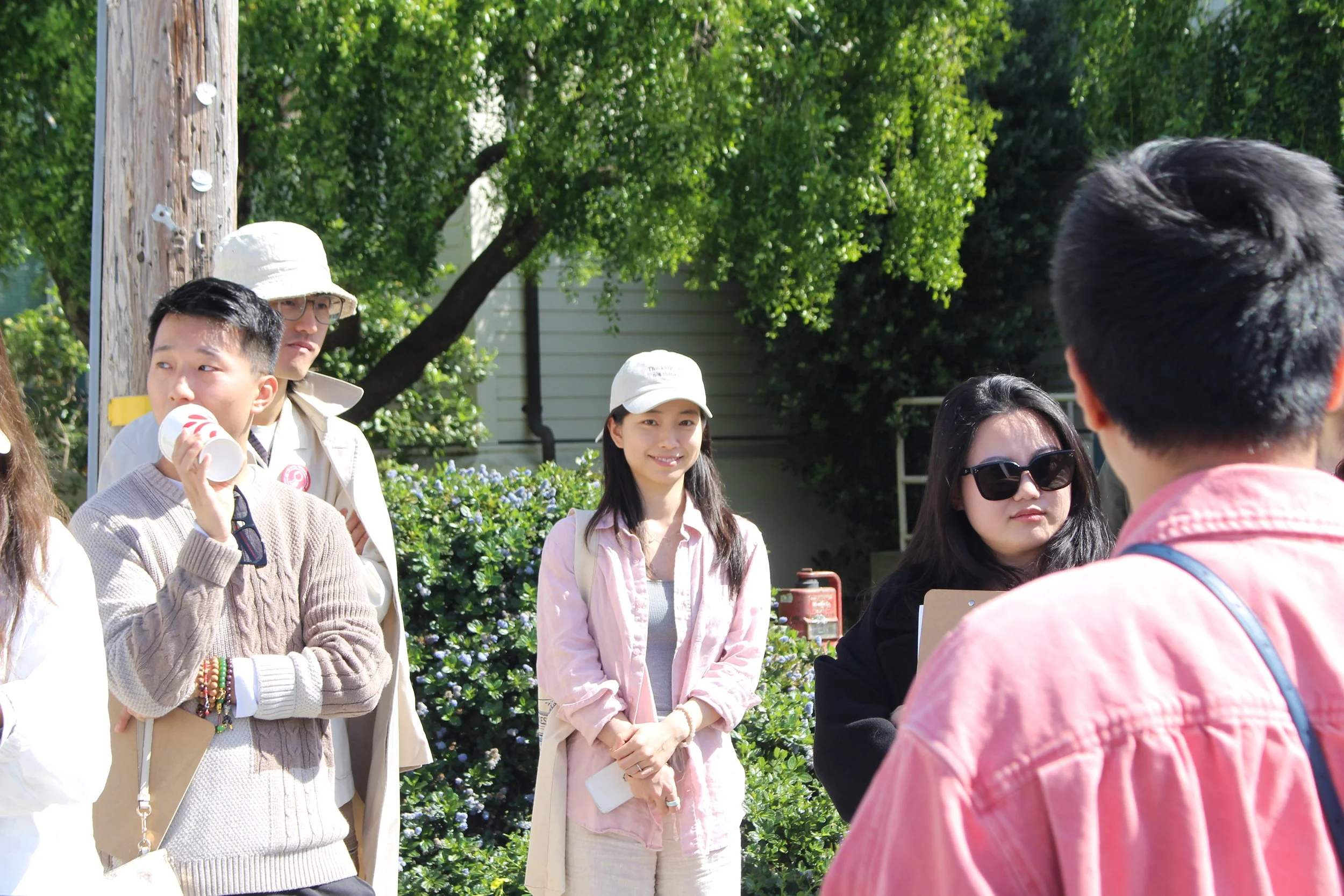
Following her lead on Niles last year, Chloe, who has a particular fondness for historic towns, brought us here to share some of the stories woven into Half Moon Bay's past.
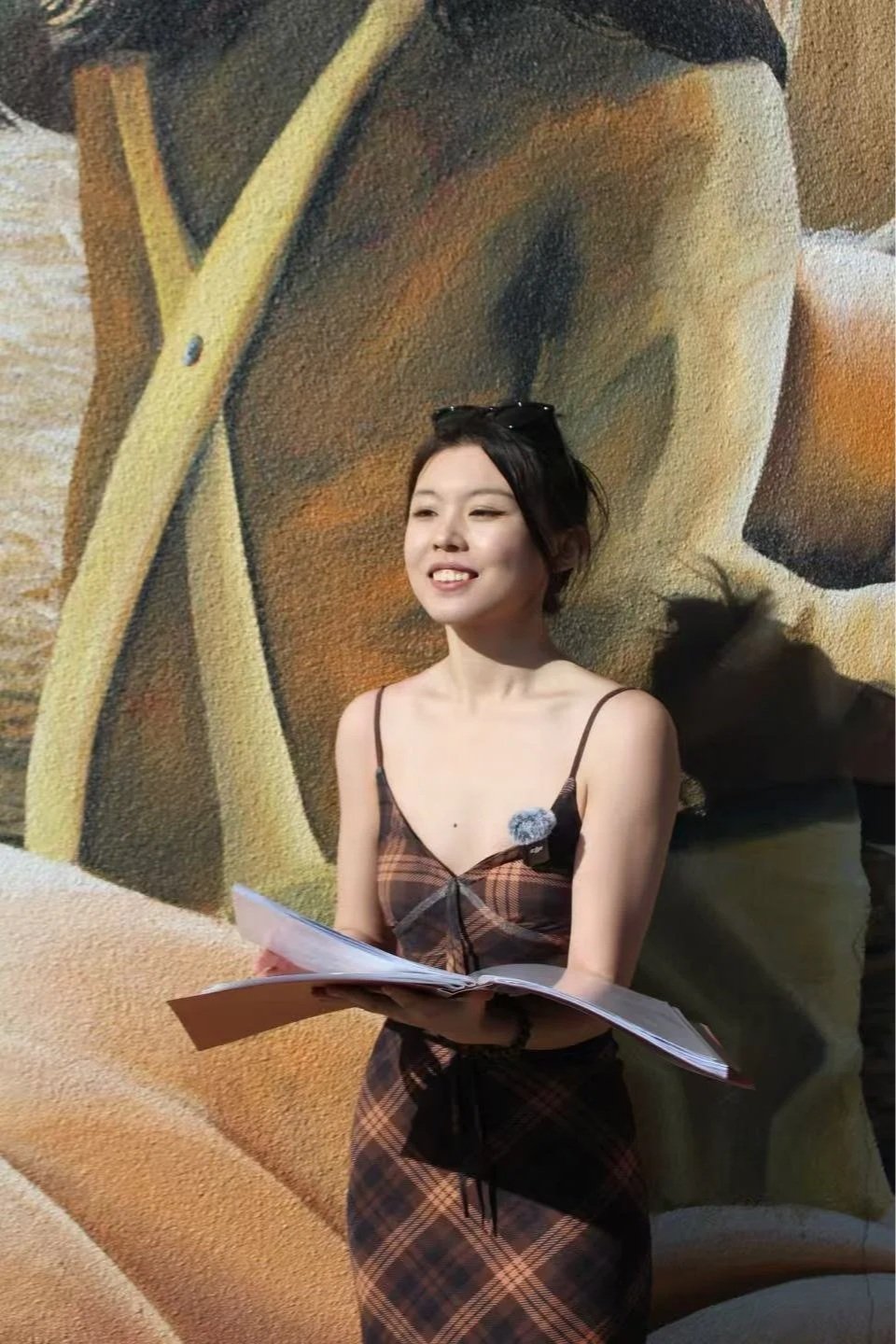
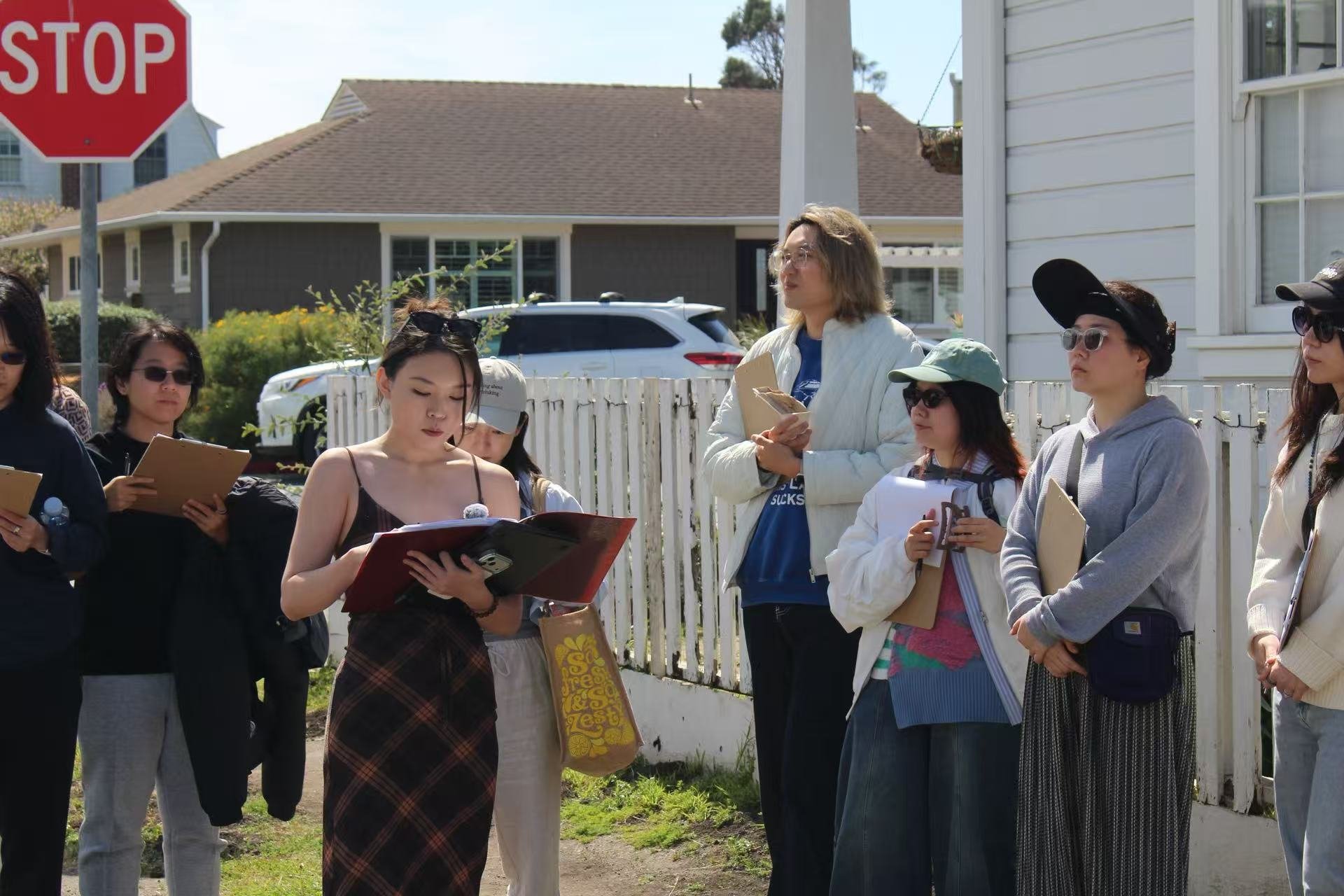
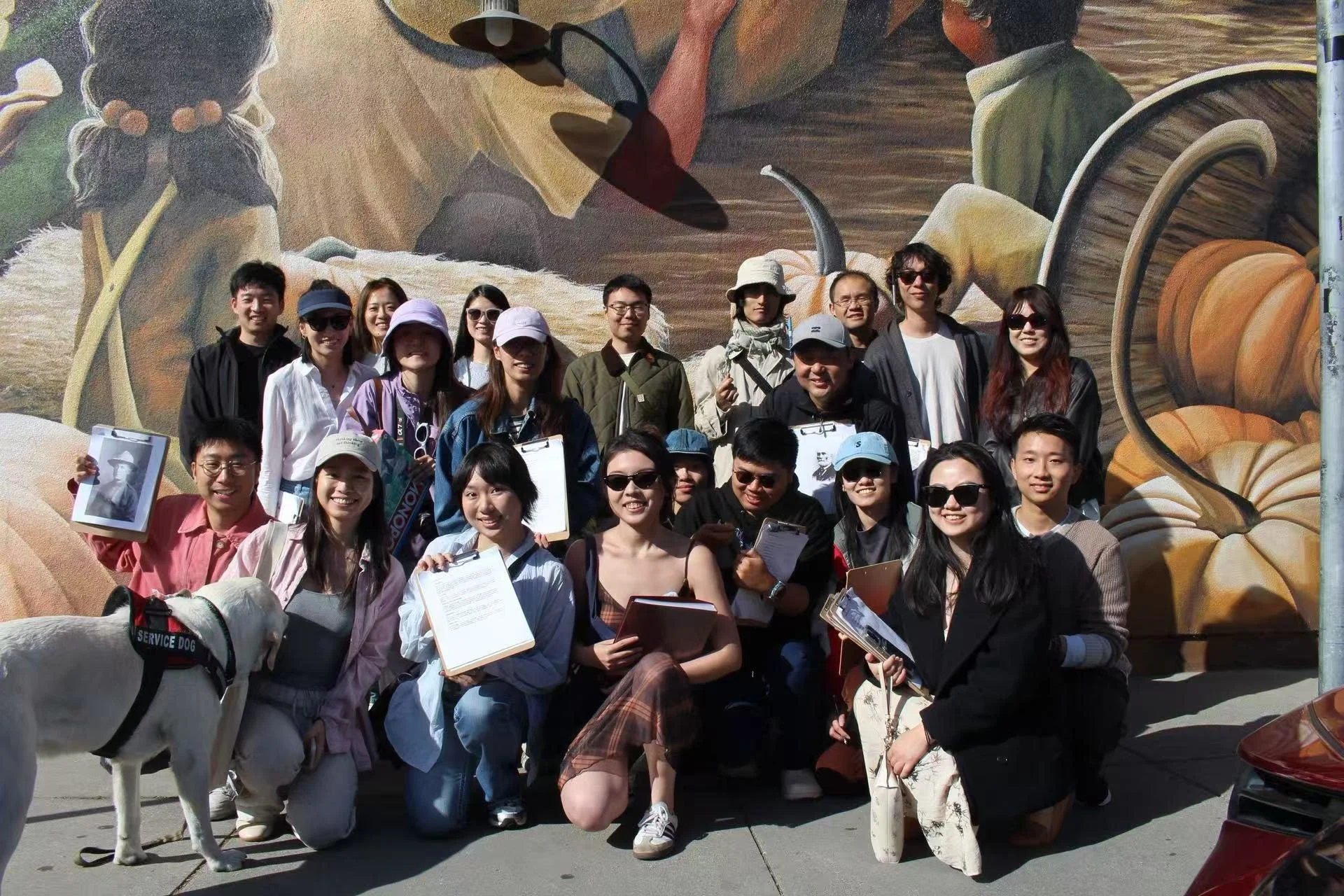
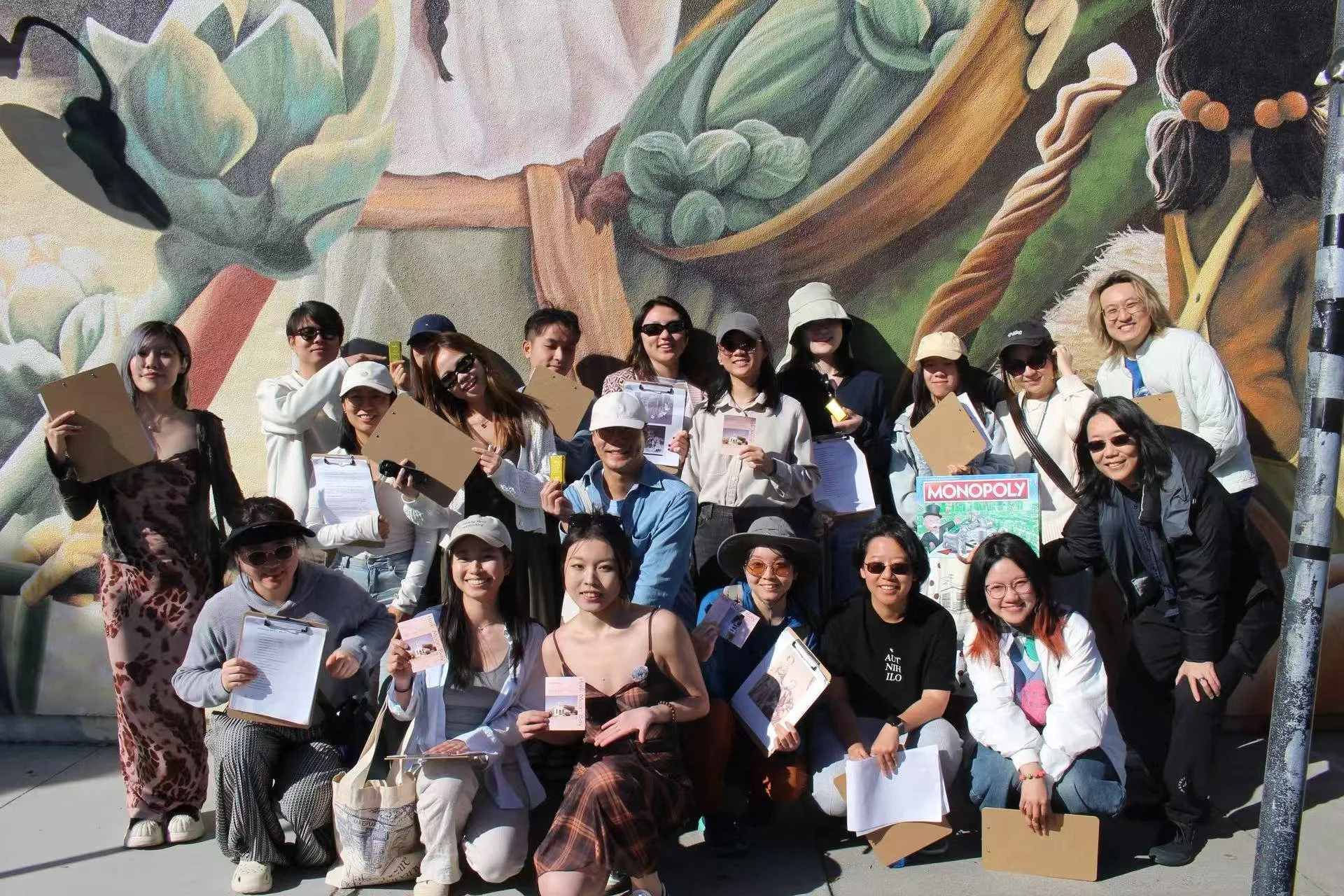
What made this journey especially memorable was the role-playing experience she created for us. Each participant received a carefully crafted character inspired by people who once called Half Moon Bay home: farmers devoted to their land, merchants holding the local economy together, adventurers moving through the coastal fog, and reformers eager to shape a changing world.
Through their eyes, we were reunited with a Half Moon Bay of a century ago.
Against the backdrop of Prohibition and the Great Depression, we stepped into lives shaped by difficult choices about land, livelihood, and community. For a few hours, history no longer felt distant. It felt personal.
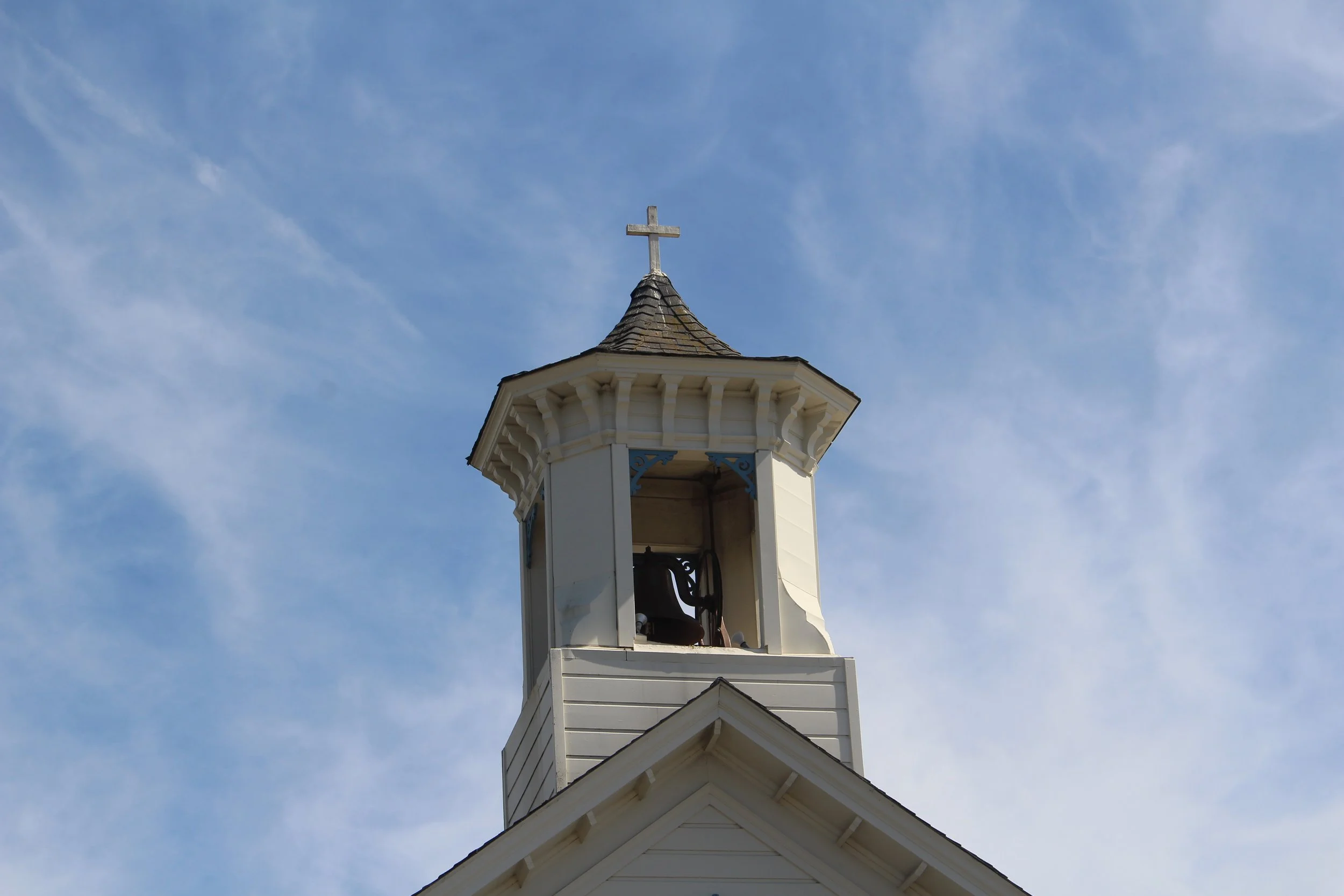
During the Gold Rush of the mid-19th century, as San Francisco expanded rapidly, the scattered ranches and pasturelands of Half Moon Bay gradually gave way to streets and neighborhoods, helping transform the area into an important agricultural and supply center for the growing city. When the Zaballa built the area's first wooden structure, Main Street began to take shape. By 1872, the town's first church had been established. Though its congregation numbered only around thirty, the church quickly became a gathering place for weddings, fundraisers, public announcements, and community discussions.
Little by little, the rhythms of town life began to emerge.
A short walk from the church stands a tiny jailhouse that looks much as it did a century ago. Originally built as a barn in 1911, it was converted into a jail eight years later, marking the arrival of formal law enforcement in this remote coastal community. Serious crime was rare, however, and the cells served mainly as a temporary stop for prisoners being transferred to Redwood City.
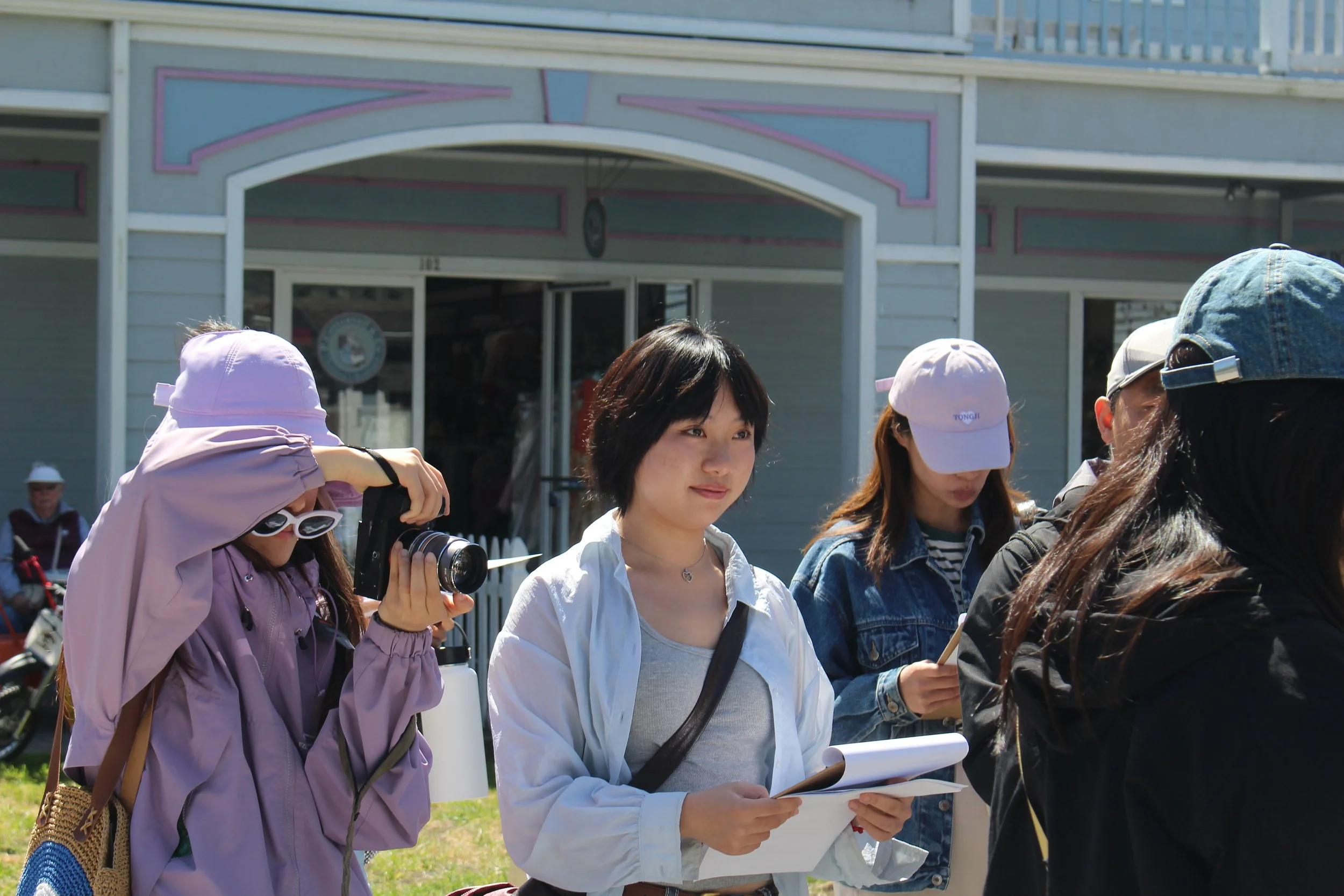
Just around the corner stands the Coastside History Museum. Quiet and secluded at first glance, it welcomed us with unexpected warmth. The docents greeted us like old friends, and before long the afternoon stretched pleasantly into conversation.
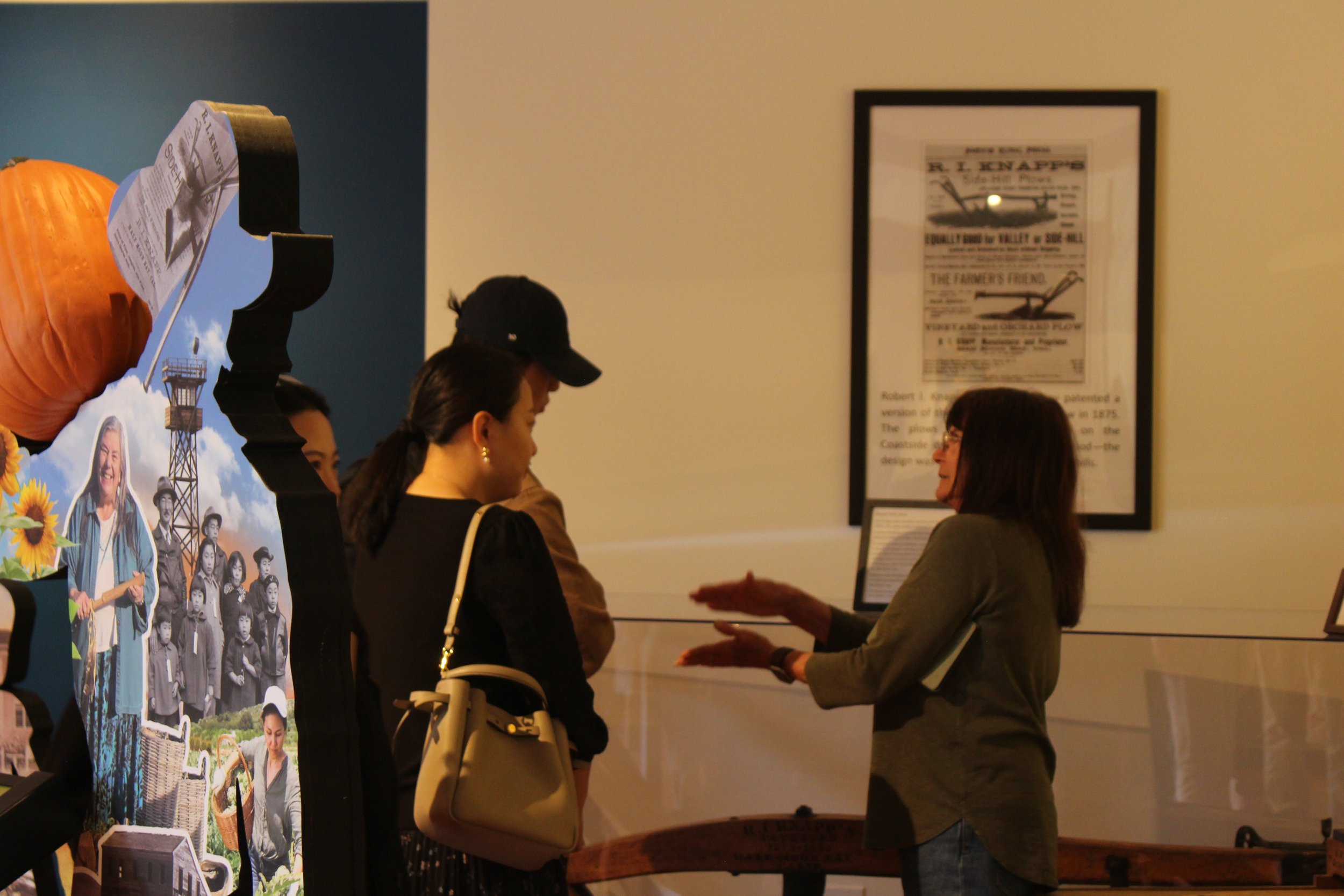
Our role-playing scenario unfolded during the height of American Prohibition. Yet neither soldiers returning from war nor members of the newly wealthy elite were particularly willing to give up alcohol. Half Moon Bay's winding coastline and persistent fog created ideal conditions for smuggling, allowing a local bootlegging trade to flourish in the shadows. According to local oral histories, San Benito House may even contain a hidden underground passage once used to transport illicit liquor.
Among the characters Chloe designed were law enforcement officers charged with upholding order and bootleggers working beyond the reach of the law. They stood on opposite sides of the debate, yet each believed they were protecting the town they called home amid the uncertainties of a changing era.
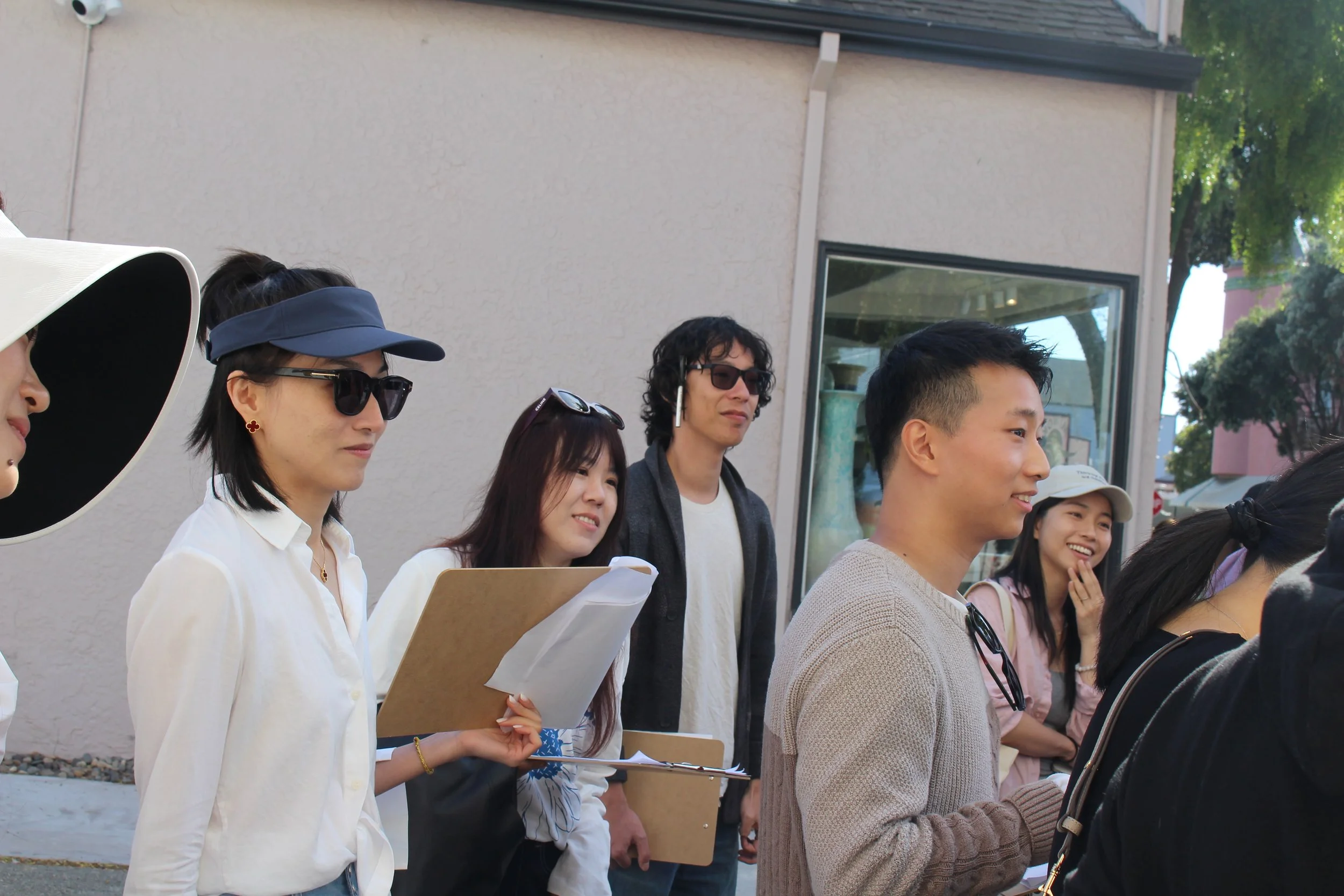
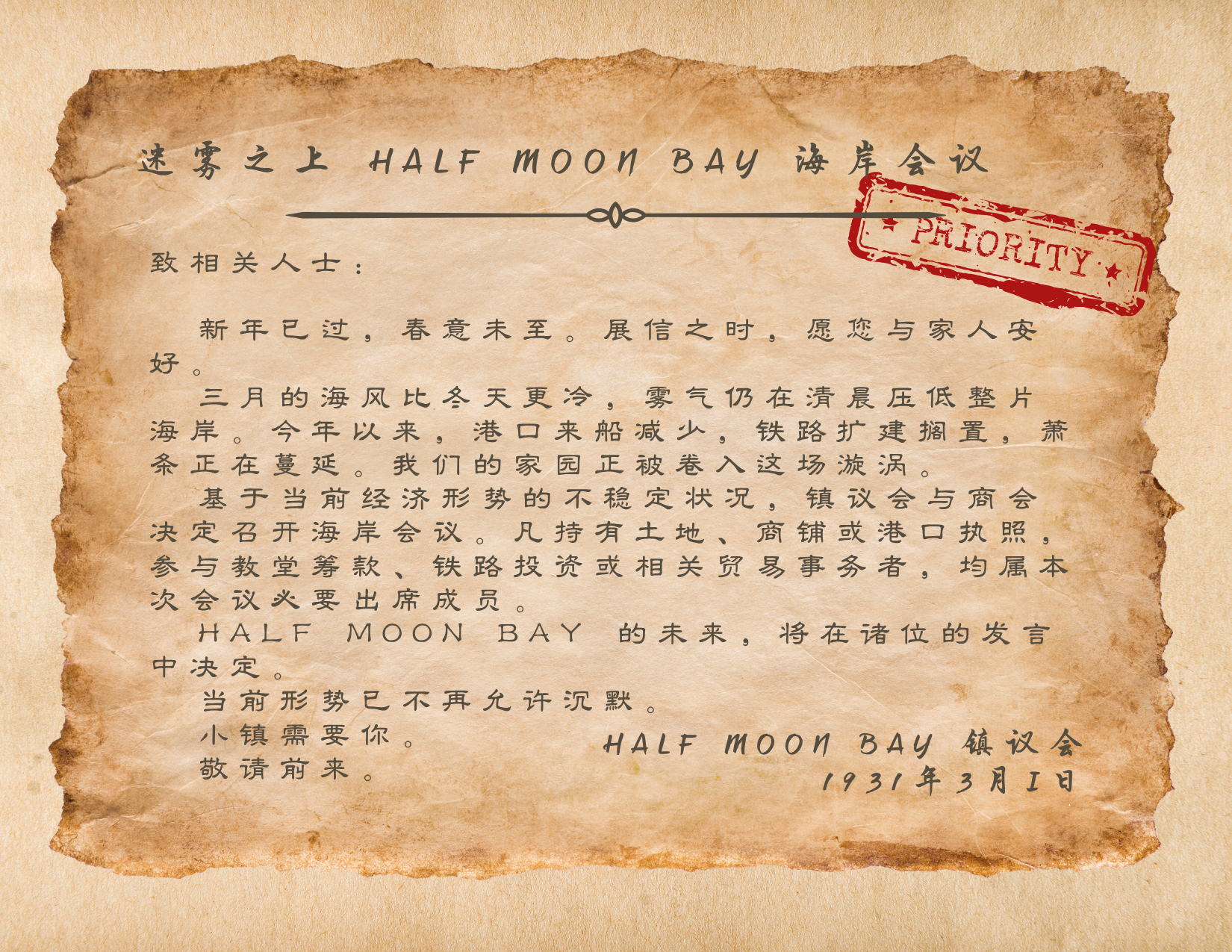
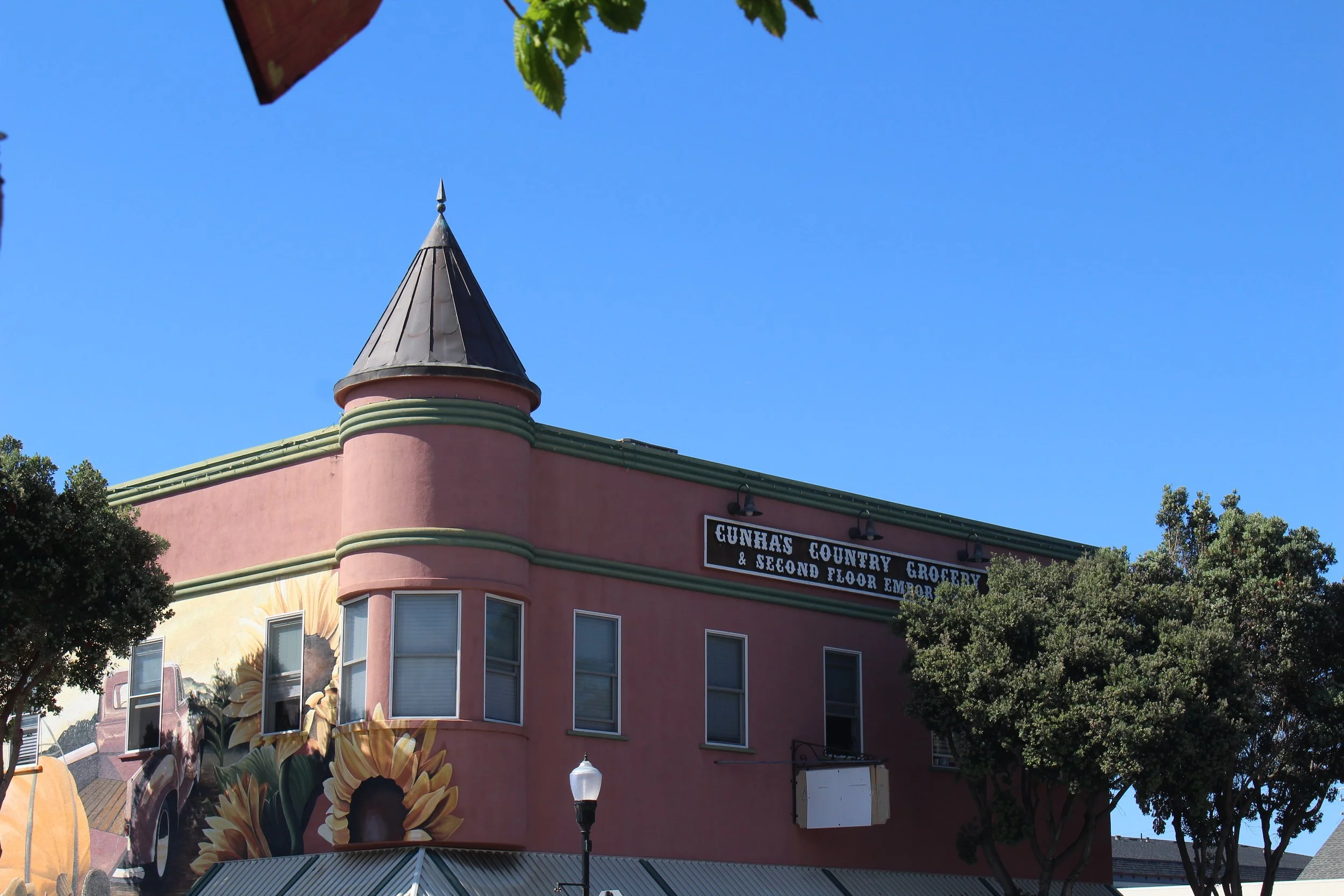
Yet, a more immediate storm in 1931 was the Great Depression, which was sweeping across the globe. Residents were already feeling its effects. Prices for milk and agricultural products continued to fall, while loans became increasingly difficult to secure. The influential Cunha family offered what support they could, but deeper questions remained.
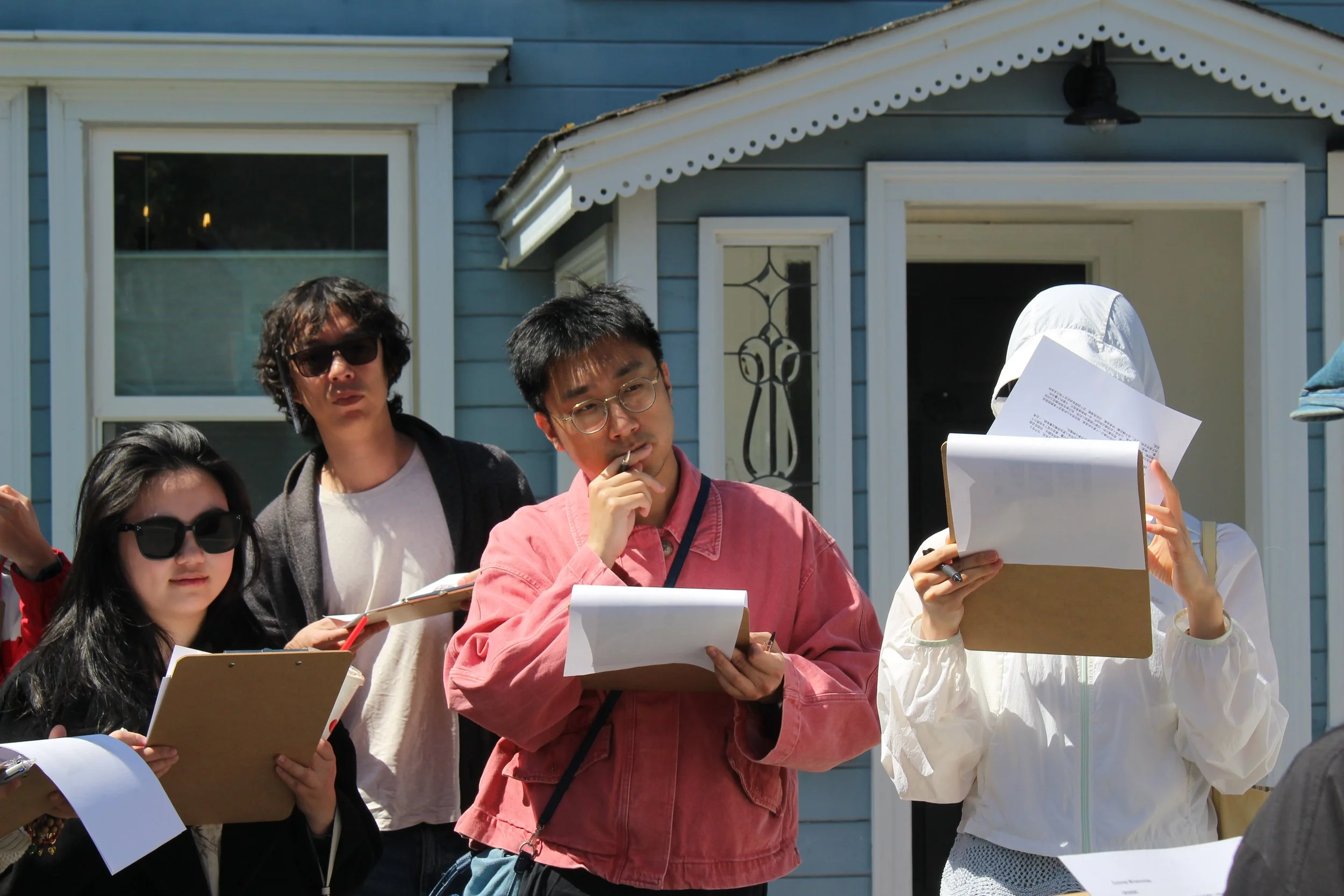
Drawing from these historical realities, participants were invited to step into the shoes of local residents and grapple with questions communities like Half Moon Bay might have faced at the time. Should the town continue relying on its existing economic model, lean into larger financial systems, or become more self-reliant? Should it build roads and bridges toward the wider world, or draw inward and wait for calmer weather?
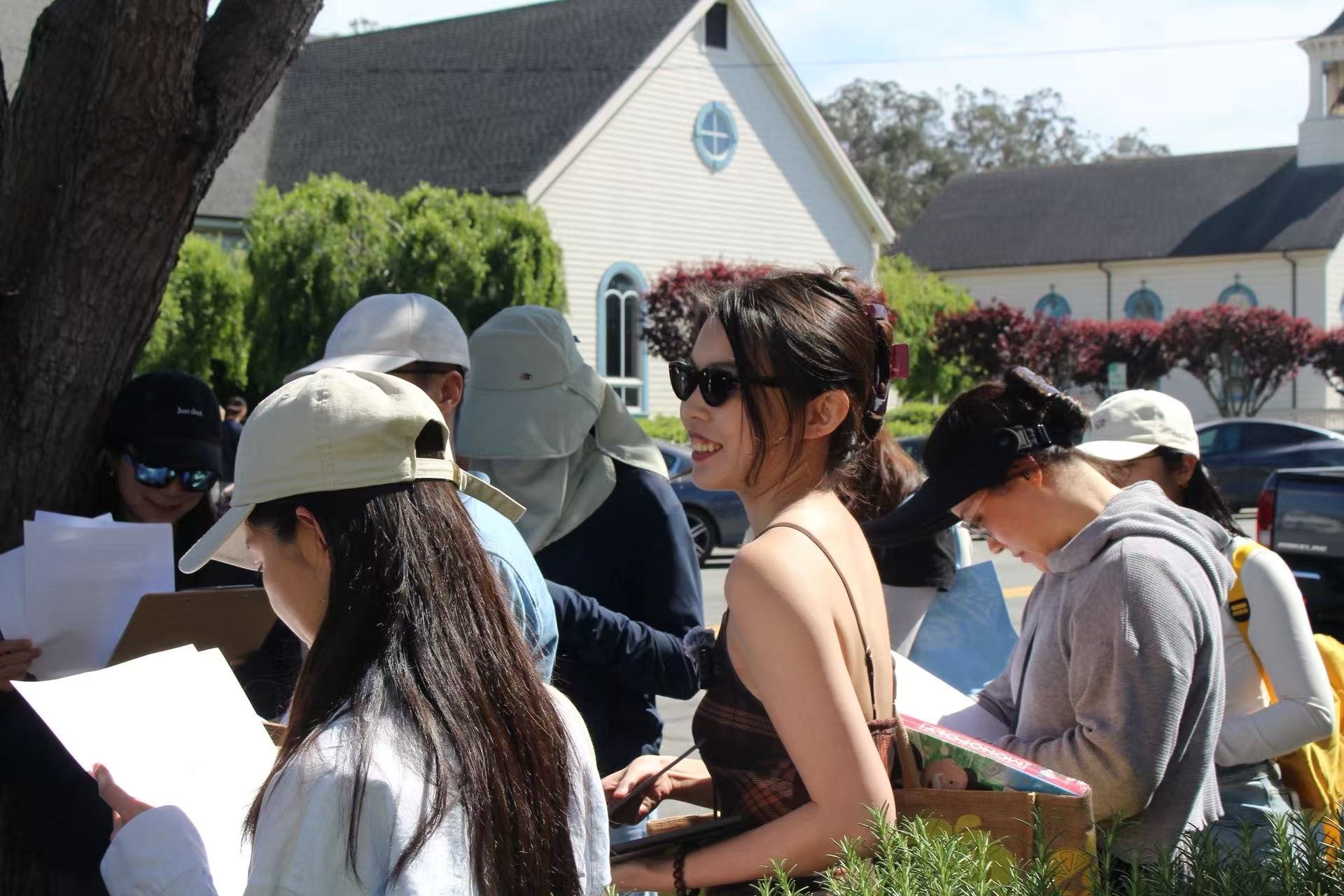
As the afternoon drew to a close, still immersed in our historical roles, we fell into a passionate debate about the town's future.
What that future would ultimately become seemed shaped partly by history and partly by chance. Yet the outcome itself felt less important than what endured beneath it: the townspeople's devotion to family and neighbors, their care for the land and local businesses, and the determination of a small community to build meaningful lives amid uncertain times.
While we were exploring the museum, a docent caught sight of our group. Surprised at first, he quickly broke into a smile and warmly invited us to sign the guestbook. It happened to be his very first day at the museum, and he told us that welcoming twenty Chinese visitors had made it a day he would never forget.
Life rarely unfolds the way we expect. We never quite know where the road will lead, or whom we might meet along the way. Yet we can always choose to meet each day with curiosity and courage.
The wine barrels, the pine trees, the quiet church, and the harbor veiled in mist are not here to greet or resist the tides of history. They are simply the quiet, magnificent monuments to the bravery of life itself, written behind every forgotten name.